
From the 1970s on, mainstream theatre, even commercial theatre, began to adopt certain ideas and devices from the Theatre of the Absurd, and soon those absurdist devices had become mainstream devices, so pure absurdism mostly faded away.
Because that happened, I've directed lots of shows that used elements of absurdism, like Bloody Bloody Andrew Jackson, Assassins, Bat Boy, Urinetown, Rocky Horror, Cry-Baby, Bukowsical, Reefer Madness, Anyone Can Whistle, and of course, Threepenny Opera. So I'm pretty comfortable with those tools.
We do so many shows that have their own unique set of rules, that are unlike all other musicals, so that's not scary. To be honest, that's a huge part of the fun, figuring out how each new oddball show operates, and helping the actors understand each new universe.
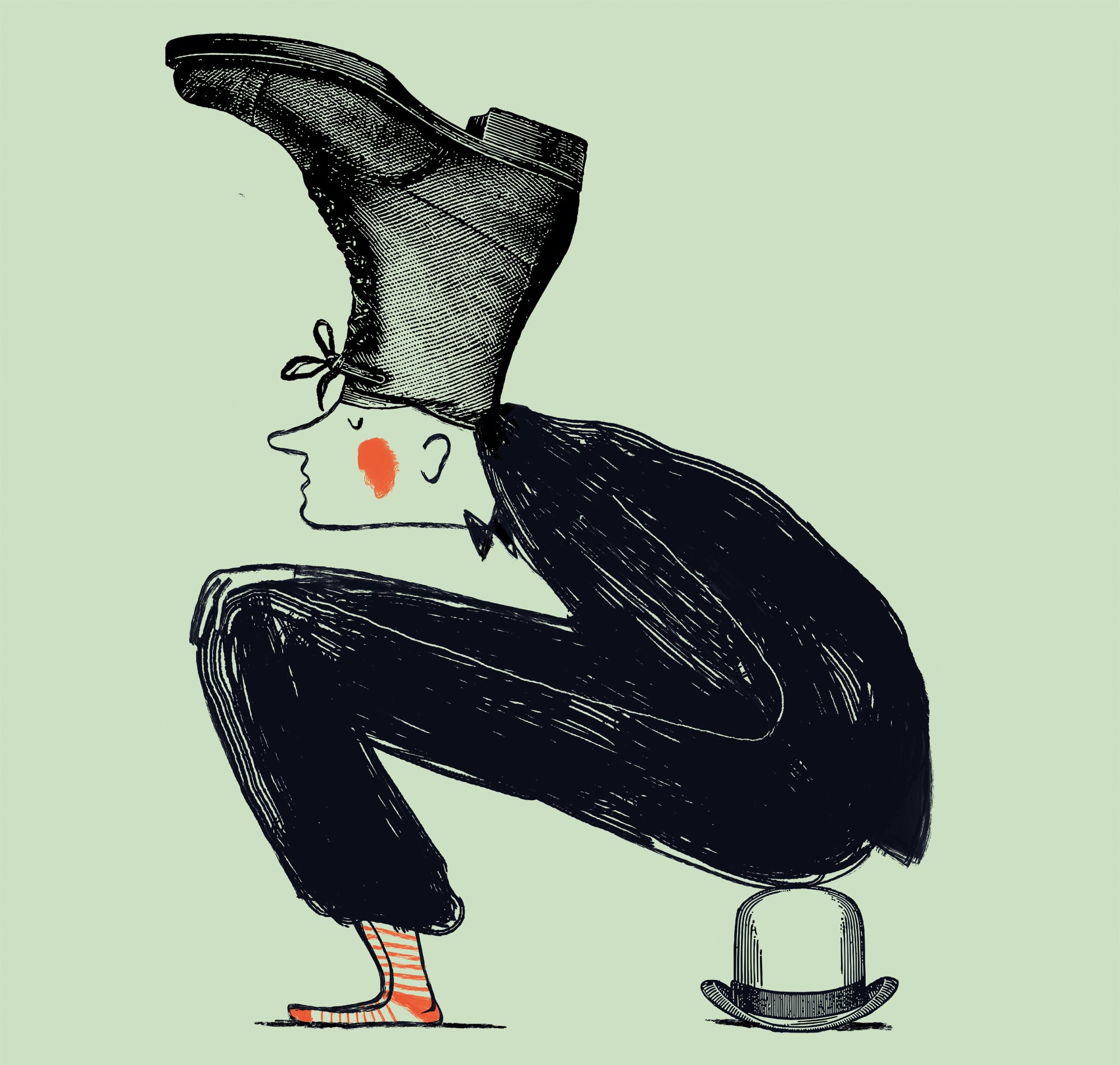
There's no backstory, no interior life, no psychology, no subtext. There's just now in this moment saying these words. It's about extreme liveness, presentness, about only this live experience in this moment. Or as Jonathan Larson put it, "There is no future, there is no past."
The explanation for all this is that all that complexity in creating a role is "false." No real person is ever thinking about her backstory, her interior life, her psychology, her subtext, so in order to be truthful, in order to represent reality, an actor playing a person shouldn't think about those things either. (For the record, this is terrible advice unless you're dealing with absurdism.)

I think the true absurdist answer would be: No, it doesn't make sense, because people don't make sense, because the world doesn't make sense.
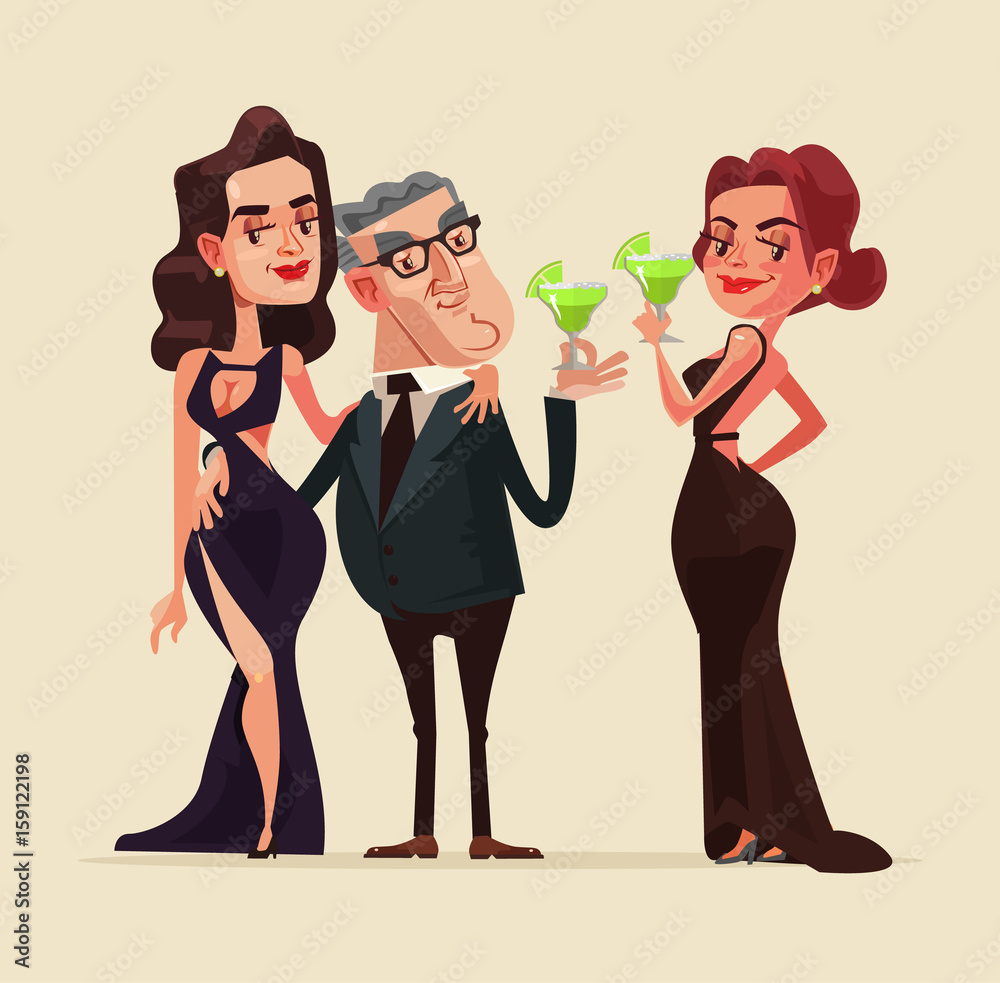
My answer is probably halfway between absurdism and how we usually approach characters. I think the Aristocrats are outraged not over the loss, but over the effrontery! They're likely outraged about effrontery a lot; and outrage can be fun while it lasts, but not worth losing sleep over. They'll just buy more jewelry. There's probably a lot in the safe at home too.
And though maybe that approach is not pure Theatre of the Absurd, it certainly does present an absurd world, in which people are so rich, they can lose all their jewelry, and it doesn't really bother them. Who's that rich? Sound familiar?
Yet again, here we are, working on this much older show -- it first debuted in 1965, it was expanded and revised, and it opened off Broadway in 1969 -- and yet it feels so much like this show is satirizing us in 2026. I think doing this show will be cathartic for all of us, including the audience, to be able to laugh at so much stuff that bedevils us.

Maybe part of the reason the show still feels so timely is that our current zeitgeist isn't that much removed from the late Sixties and early Seventies, another very dark, angry time for our country. Though I think today is worse. Even though Fornés and Carmines were writing specifically about the society and problems of 1969, they were also writing about 2026.
They just didn't know it.

Great art always speaks to us. We find different things at different times, depending on what we need. Maybe Promenade will always feel timely. Because we humans will always treat each other like shit.

I never thought I'd get to work on Promenade. I didn't really even know for sure exactly what it was. It's been a blast to work on. It's such a crazy adventure. And beyond the fun, the best part is I get to share this work I love so much with fifteen wonderful, fearless actors, and in a few weeks, with our audiences -- who likely have no clue what exquisite madness -- the madness of reality -- they're about to witness!
Promenade is an important slice of theatre and sociopolitical history but it's also a brilliant, whip-smart, wildly entertaining show that's so worth bringing back to life! And boy, is it a New Line show! I can't wait for you to experience the mad wonders of this beautiful show.
The adventure continues...
Long Live the Musical!
Scott
P.S. To get your tickets for Promenade, click here.
P.P.S. To check out my newest musical theatre books, click here.
P.P.P.S. To donate to New Line Theatre, click here.



0 comments:
Post a Comment